Ngā Kāwai katoa

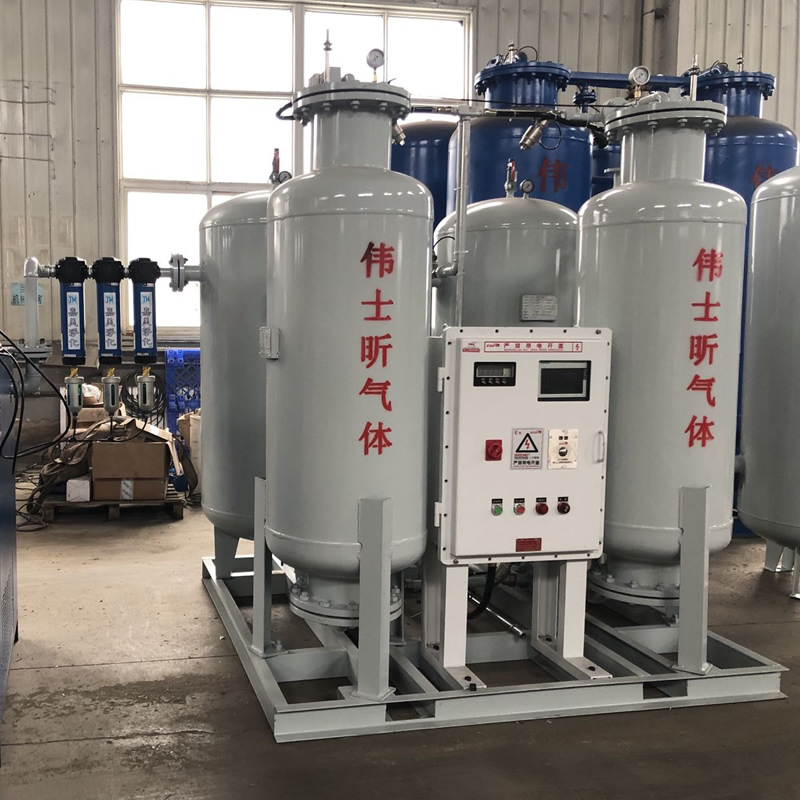
Ko te Kaihanga Nitrogen Motuhake mo te Whakamahinga o nga Rawa Hou i roto i te Ahumahi Petrochemical


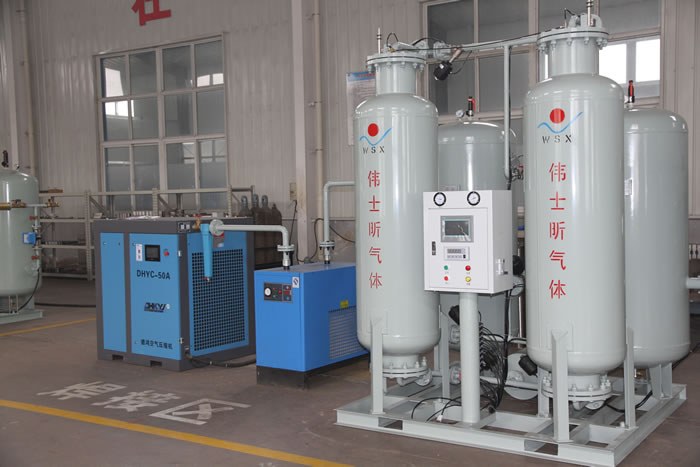
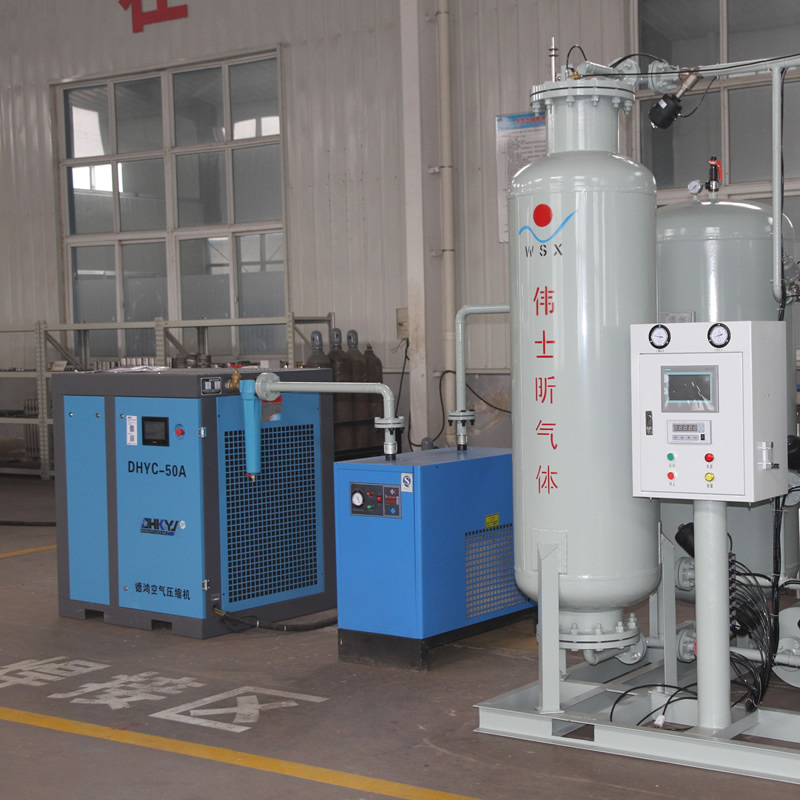
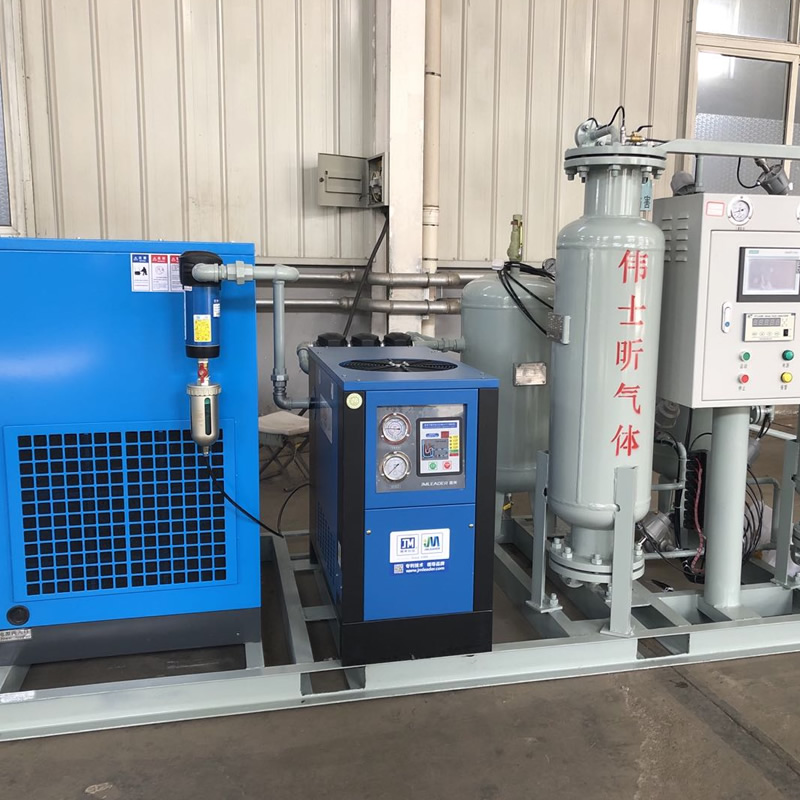
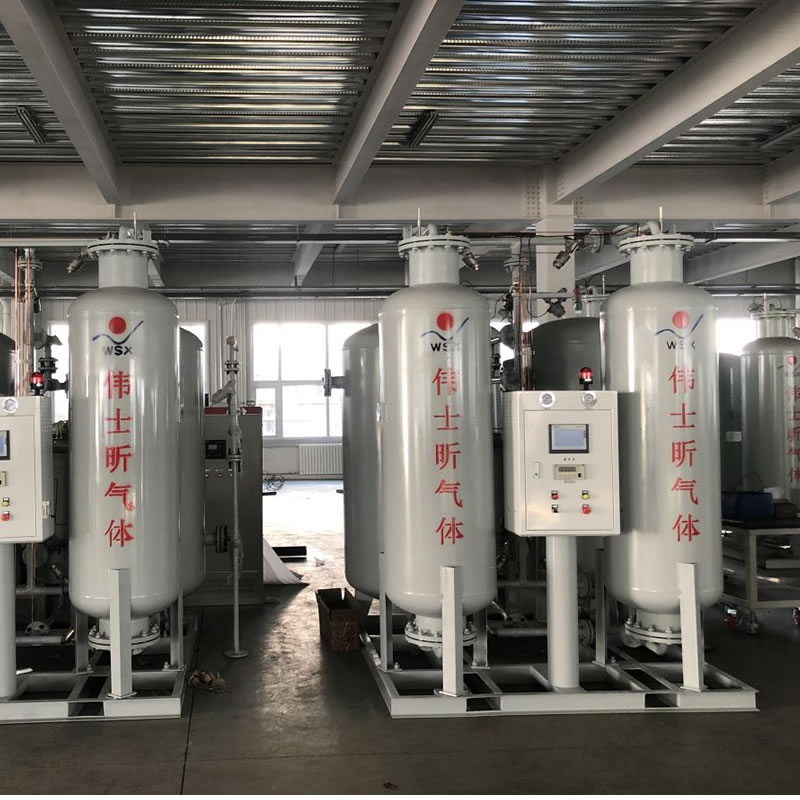
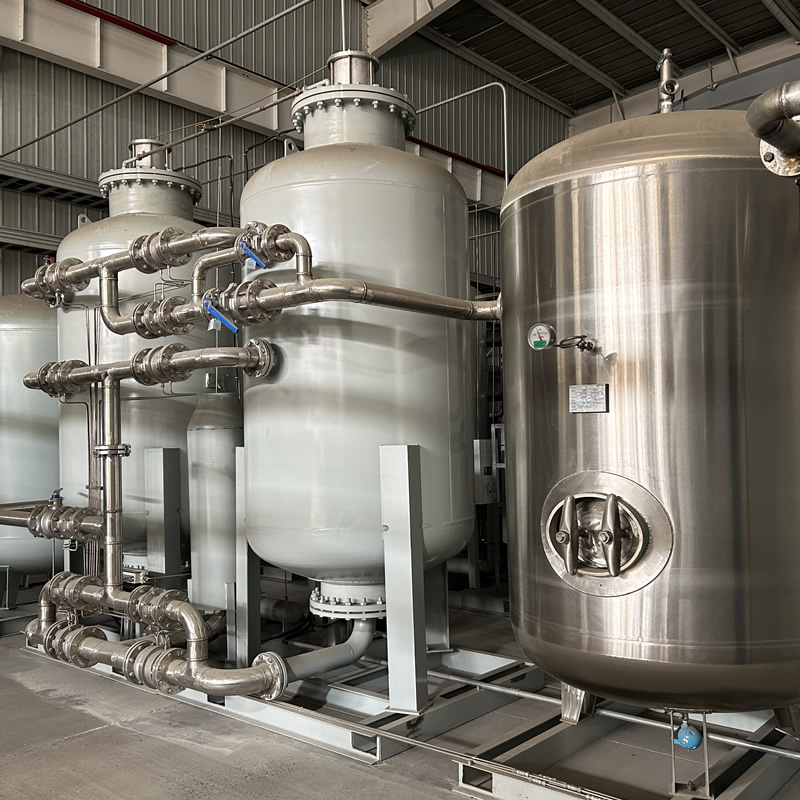
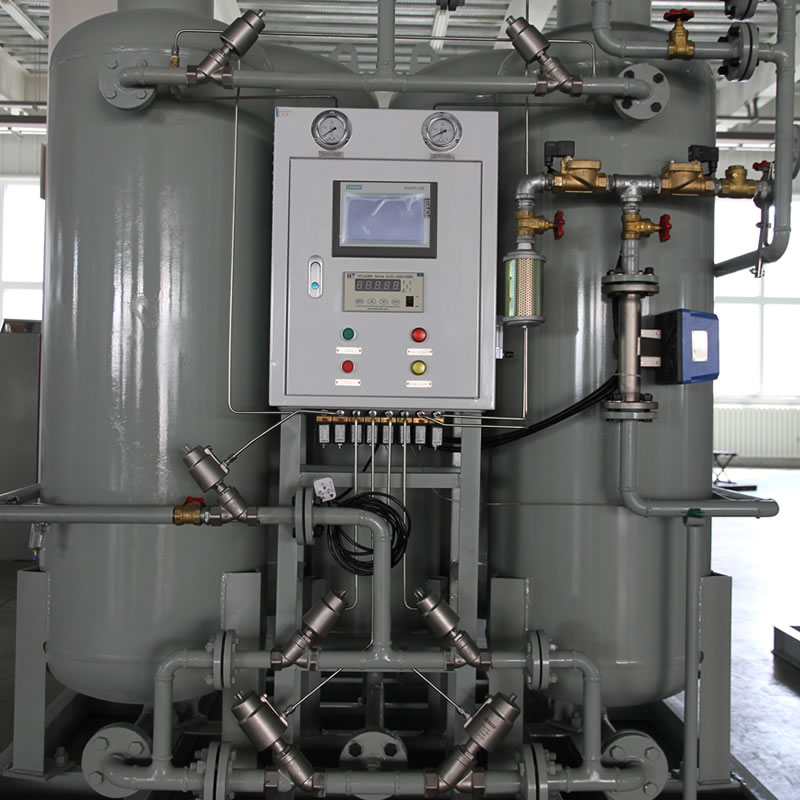
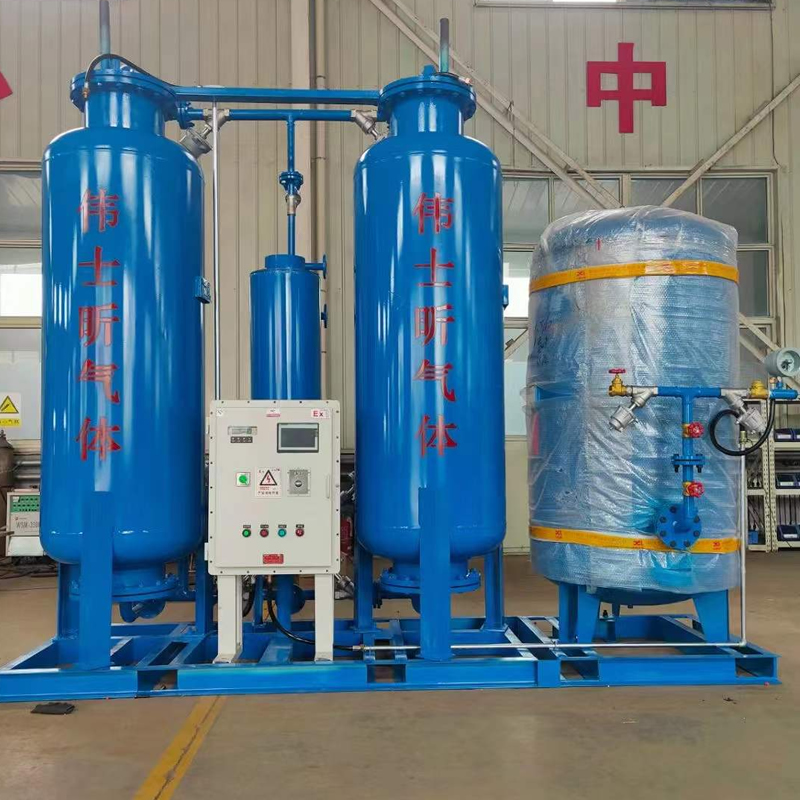
Pressure swing Adsorption(PSA) hau wehe hangarau , Kua whakamahia i roto i te wehenga hau mo etahi tekau tau, kua whakamahia nuitia ki Haina me te ao katoa.

Wahi o te Origin: CHINA
Ingoa Brand: WSX
Tau Tauira: WPZN-3~5000

Tuhinga

Tauine hauota: 3~5000Nm3/h
Te purea hauota: 95 ~ 99.9995%
pēhanga hauota: 0.1~ 0.8Mpa (ka taea te pehanga)
Te hauota hauota: -40~-70 ℃

TONO

Te whakamahi i nga rauemi hou i roto i te ahumahi petrochemical

Nitrogen is mainly used in the chemical industry as a raw material gas, pipeline blowing, atmosphere replacement, protective atmosphere, product transportation, etc. Nitrogen is mainly used in industries such as chemical, spandex, rubber, plastics, tires, polyurethane, biotechnology, and intermediates. Many chemical industries do not have high requirements for nitrogen purity, and many can be used with a purity greater than 98%, such as acrylic acid oxidation explosion-proof, float glass process flow, etc. By utilizing the chemical properties of nitrogen, an anaerobic atmosphere can be created in chemical processes to improve production safety. Nitrogen can also be used as a fluid transport power source.
Replace, clean, seal, leak detect, and dry quenching protective gas; Gas used for catalyst regeneration, petroleum fractionation, chemical fiber production, etc.
Improve petroleum processing and refining processes, oil storage and pressurization of oil and gas field wells, pipeline cleaning and purging, solvent recovery, etc.
Nitrogen purification for storage, containers, catalytic cracking towers, pipelines, etc; Air pressure leakage test of pipeline system, etc.
The chemical industry is the most widely used industry for nitrogen equipment, and currently the most commonly used is polyurethane (PVC) with a purity of 99.5% and a high flow rate. Polypropylene (PE), with a purity of 99.9% and a high flow rate, is divided into two parts for nitrogen application. The first part requires 99.9% nitrogen for the loading and emptying of activators and catalysts, while the reaction kettle uses 99.5% nitrogen, usually requiring a purity of 99.9%.Polyethylene and aniline, with a purity of 99.95%, are used for catalyst regeneration of petrochemical product aniline with nitrogen gas, which is about four times higher than usual, but has a short service life.
Polyethylene and aniline require a nitrogen purity of 99.95%. For petrochemical products such as aniline, nitrogen used for catalyst regeneration is about four times higher than usual, but with a short service life. For maleic anhydride and ethanol, a nitrogen purity of 99.9% is generally required. For petrochemical products such as polyoxymethylene, a nitrogen purity of 99.9% is required. In the petroleum industry, nitrogen can be used for nitrogen purging of pipelines and containers, nitrogen filling of storage tanks, replacement, leak detection, combustible gas protection, as well as diesel hydrogenation and catalytic reforming. The purity of nitrogen is generally 99.9%.
Phthalic anhydride requires a nitrogen purity of 99%.
Polyester, upstream raw material PTA (refined p-phenylenedimethanol), actual required nitrogen purity is 95%, generally taken as 99%.
In the PTA production process, high-purity nitrogen is used to blow bubbles, measure the liquid level of ethylene glycol raw materials in high and low temperature reaction vessels, measure the pressure difference between the high and low pressure ends, and transmit a 4-20mA standard signal, which is then converted into liquid level height. And use high-purity nitrogen to measure the pressure of the vacuum system, and use high-purity nitrogen to backwash the filter in PTA production process. Polyester chips generally use nitrogen with a purity of 99% to 99.999% depending on the actual process.

TE WHAKAMAHI I TE WHAKAMAHI

A, no te te rangi i roto i te pressurized i roto i te purenga me te whakamaroke, Base i runga i Aerodynamics, hauota me te hāora i roto i te rangi i roto i te tatari rāpoi zeolite (ZMS) i runga i te Pressure piu adsorption ka mahi o rerekē auau tūringiringi i roto i te adsorption o hauota. Ko te hāora i roto i te tatari rāpoi waro i runga i te mata o te reiti diffusion he teitei ake i te hauota. A, no te kore te adsorption i roto i te taurite, i horomia te hāora e te tatari rāpoi waro i roto i te rahinga nui, me te hauota i kukū, ka whakarangatira i roto i te wāhanga hau ki te whakatutuki i te wehenga o te hāora me te hauota.
ENQUIRY

NGA HUA MATUA